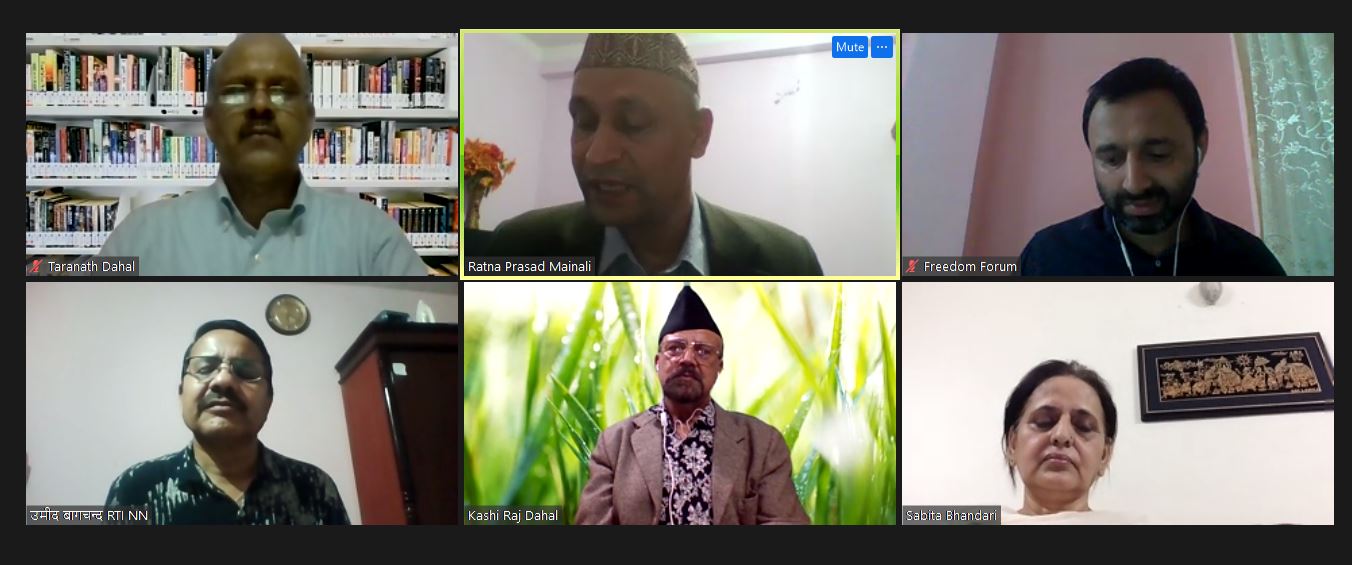
FF organized a virtual program on the occasion of the International Right to Know Day on September 28.
At the event, governance expert Kashiraj Dahal pointed out the need of augmenting the right to information (RTI) movement in a bid to ensure good governance. “Citizen’s right to know has direct relation to building rule of law, transparency, accountability and good governance in the country,” Dahal observed.
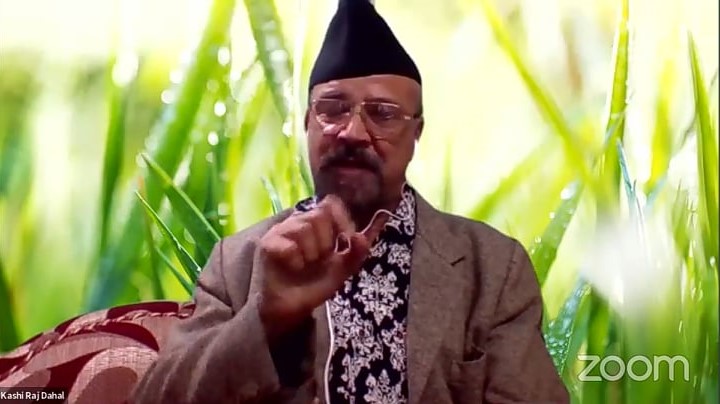
Dahal further said democratic delivery would be disturbed if the implementation aspect of RTI is feeble. He argued that prompt public service delivery is the essence of federalism, the changed system of governance in Nepal. He however said the culture of secrecy in Nepali bureaucracy poses a serious challenge to implementation of the RTI.
In the program that focused the present challenges before the implementation of RTI in Nepal, another expert and former Commissioner at National Information Commission (NIC), Sabita Bhandari, said major challenge of RTI movement was lack of RTI awareness among the citizens and weak management of information records and ignorance of RTI obligations by public bodies. “Transparency in information dissemination and proactive disclosure is the key to RTI," said, seeking the more pro-active and strong role of government agencies like NIC. At the same time, citizens too should be careful while requesting for information, she made aware.
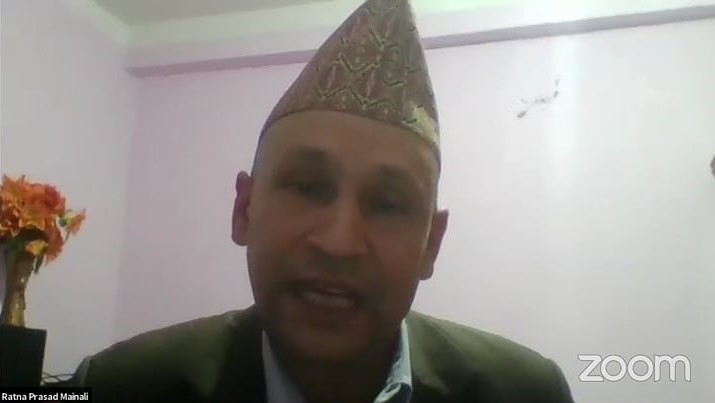
According to Information Commissioner at NIC, Ratna Prasad Mainali, weak data protection mechanism at public bodies is a major challenge of RTI implementation. He however said NIC would augment its activities by working together with networks that work for citizens’ rights. Mainali admitted weak proactive disclosure trend among public agencies.
Convener of RTI Network Umid Bagchand stated that he has been very active in filing RTI requests and this campaign had strengthened RTI and his network in this case. Besides this, he focused on the safety and security of RTI activists, collaboration with NIC, and another network to reform and strengthen CSO engagement in RTI mainly in P7 (Dhangadi, Kailali)as well as at P1 (Biratnagar). The campaign is being done to smoothen and build-up the trust and support to the grassroots level.

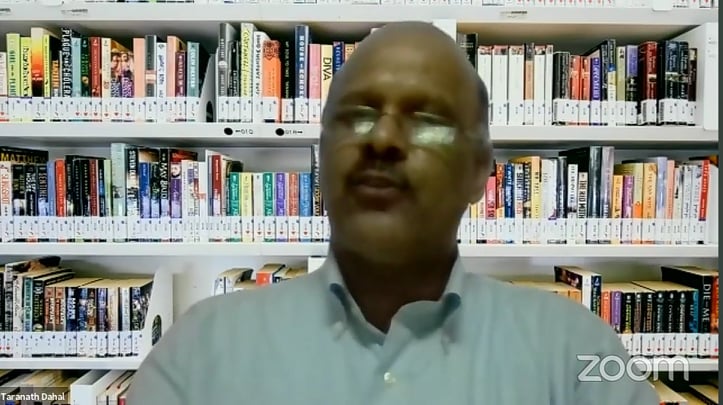
Chief Executive of Freedom Forum TaranathDahal reminded that RTI was not only an effective tool to transparency and accountability but also one of the major components to achieving the Sustainable Development Goals (SDG). The SDG 16.10 assures citizen’s access to information. He further viewed that quality of development pillars as education, health, peace, economic prosperity, justice could be enhanced with the realization of citizen’s right to information.
Freedom of expression and information expert Sanjeeb Ghimire opined that people-centered governance could be realized with the use of RTI. However, concerted efforts are essential in the effective implementation of RTI.