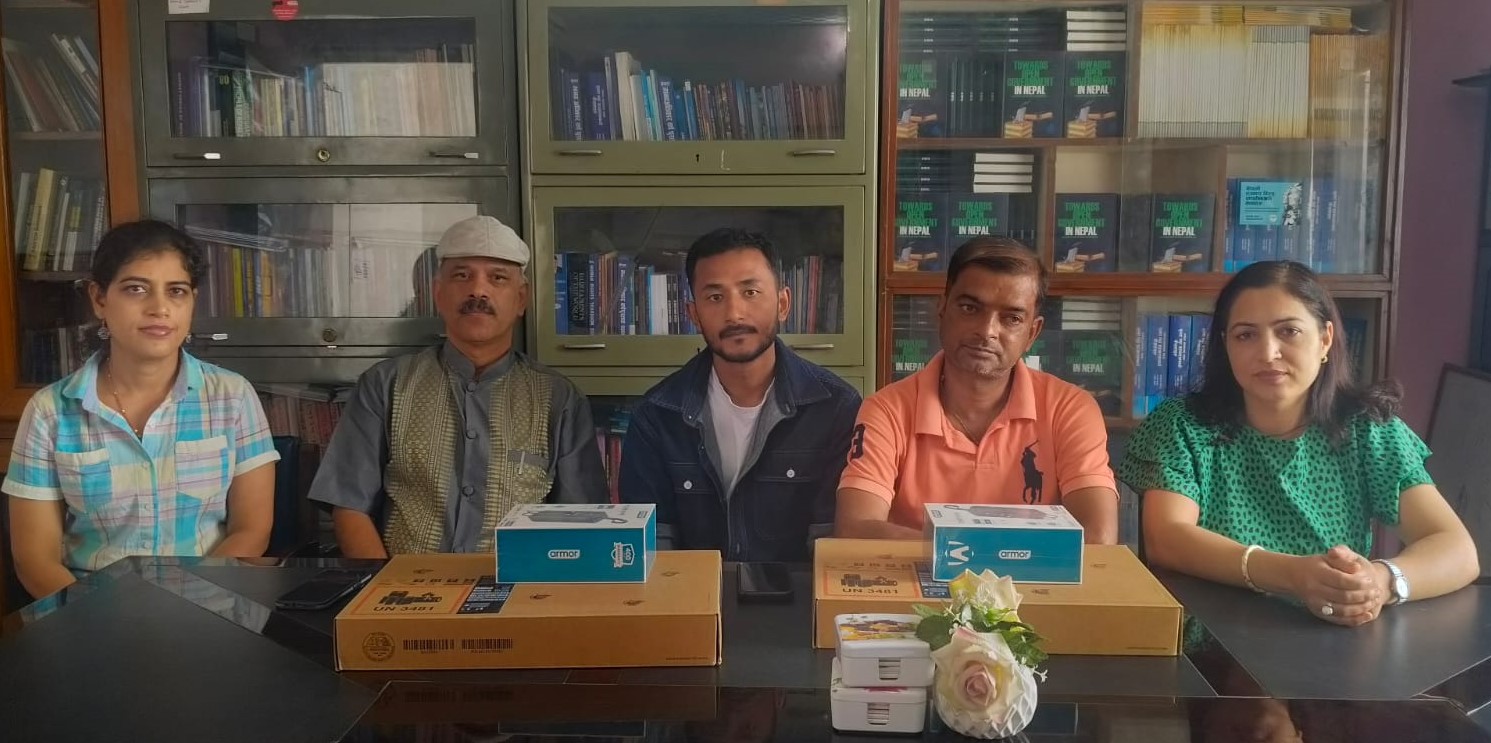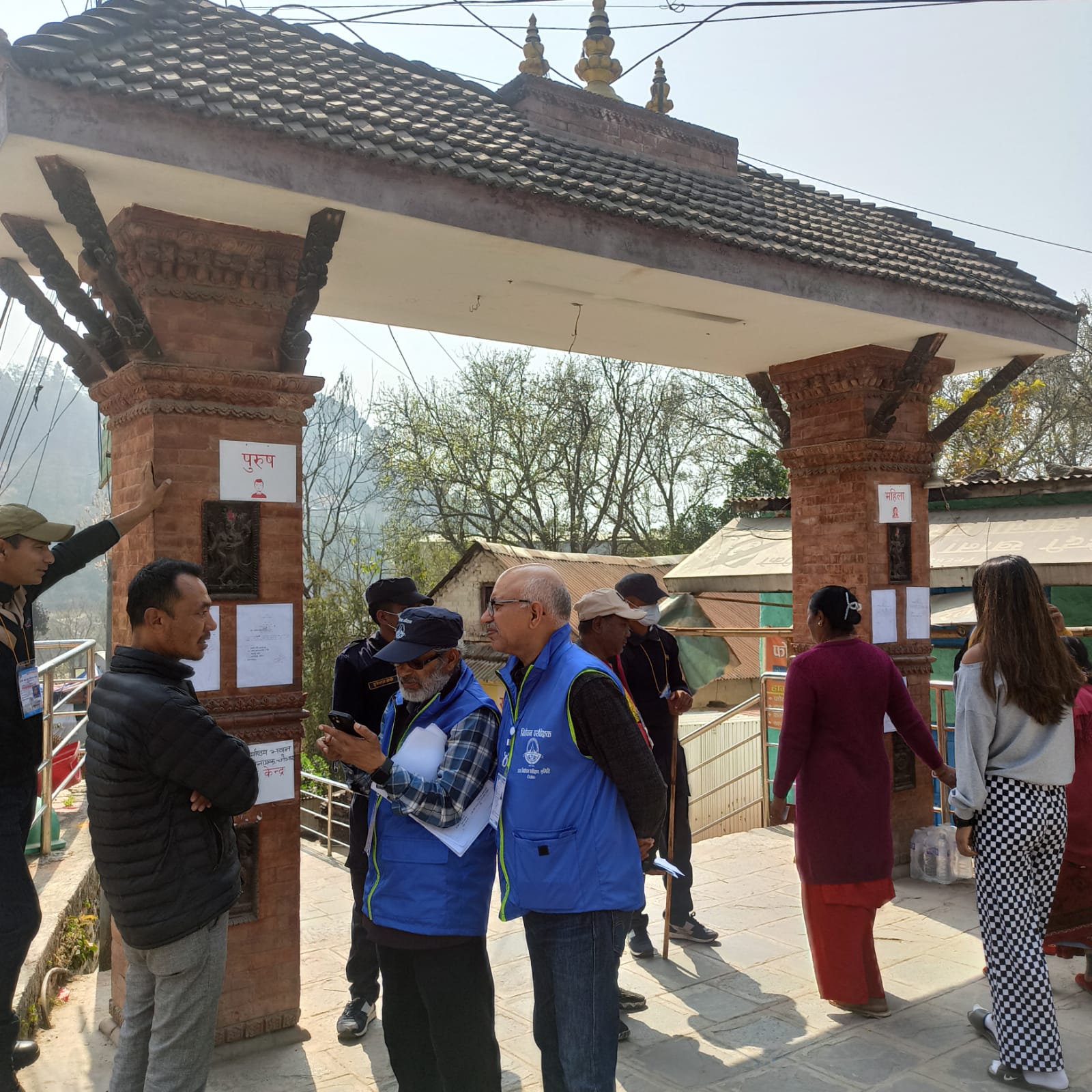
Freedom Forum observed House of Representatives election held on March 5, 2026 as representative from civil society organizations in collaboration with General Election Observation Committee (GEOC). Chairperson Hari Binod Adhikari and staffs- Aruna Adhikari and Nanu Maiya Khadka participated in the observation of elections. The observers conducted monitoring, observation and assessment of designated polling stations in Kathmandu and Lalitpur districts on election day.
The General Election for Nepal’s House of Representatives was successfully held on March 5, 2026, electing representatives for all 275 parliamentary seats. Despite a volatile political backdrop following the 2025 Gen Z movement and subsequent government change, the election concluded peacefully nationwide, with no major incidents of irregularities reported.
A national observation team under the General Election Observation Committee (GIOK), including Freedom Forum representatives, monitored polling stations across Kathmandu and Lalitpur. The observation covered multiple wards of Kirtipur Municipality, Kathmandu Metropolitan City, and Mahalaxmi Municipality, Lalitpur.
Peaceful and well-managed polling process
Observers noted that voting began on time across most stations and proceeded in an orderly and peaceful manner. Voter turnout was estimated at around 60% according to the Election Commission. Separate queues for men and women, priority access for elderly, pregnant, and persons with disabilities, and strong security arrangements contributed to smooth polling operations.
Health support services, including Red Cross volunteers and standby ambulances, were available at selected centers. Observer participation from national and international groups was also well accommodated, with positive feedback from diplomatic observers.
Digital shift in election management
The election marked a noticeable shift toward digital systems, including online observation tools and reduced paper-based reporting. The Election Commission’s digital infrastructure supported faster reporting and result management, with proportional representation counting nearing completion alongside finalized direct election results.
Key challenges identified
Despite overall success, observers highlighted several concerns. Accessibility remained an issue in polling stations located in difficult terrain or congested spaces. Health services were inconsistently available, with most stations lacking medical support.
Voter education emerged as a major gap, with limited awareness observed among voters regarding voting procedures, contributing to a relatively steady rate of invalid votes (4.7%).
Instances of missing voter identification details in some online registration cases also created confusion for voters.
Overall assessment
Observers concluded that the election was conducted in a free, fair, peaceful, and secure environment, supported by coordinated efforts of security agencies and election authorities. However, improvements are needed in voter education, accessibility infrastructure, and service standardization across polling stations.
Way forward
The report recommends strengthening voter education programs, improving accessibility for vulnerable groups, and expanding essential services such as health support at polling stations. It also underscores the importance of consolidating digital election systems while ensuring inclusivity and reliability.
The observers expressed confidence that the new government formation process, based on constitutional provisions, will proceed smoothly and reflect public expectations.