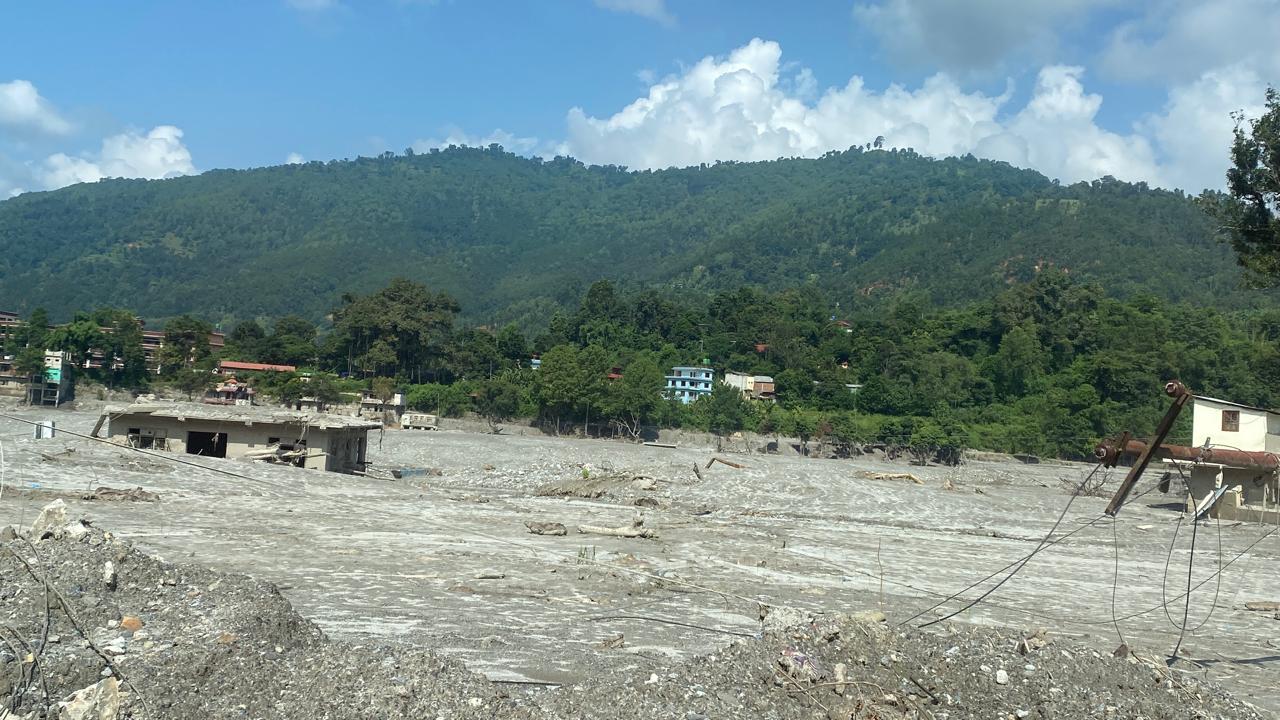
On 26 August 2026, devastating flood entered Nepal through the Bhote Koshi River in Rasuwa. The flood originated in the northern Himalayan region due to glacier melting caused massive destruction along the Bhote Koshi and Trishuli river corridors. Local communities and critical infrastructure in Rasuwa, Nuwakot, Dhading, Gorkha, Chitwan districts and surrounding areas were severely affected.
The flood inundated riverside settlements destroying homes, roads, bridges, hydropower facilities and other essential infrastructure. Nepal government has reported significant loss of life, displacement and extensive damage to physical infrastructures. The disaster also damaged electricity and communication infrastructure. Eelctricity supply, mobile networks and internet services were interrupted across large parts of the affected areas immediately after the flood. According to Nepal Telecom office, mobile and internet services were restored by the first week of September in most of the affected areas of Rasuwa, Nuwakot and Dhading districts. Nepal Electricity Authority also restored electricity supply across all areas except for few households in Rasuwa districts.
National Disaster Risk Reduction and Management Authority has reported total 1451 deaths and 5745 still missing till September 21, 2026. Of the total missing, 11% are reported to be foreign nationals. Rescue operations are ongoing.
Freedom Forum assessed the flood's damage to media and journalists. Majority media and journalists in Rasuwa and Nuwakot districts are highly affected with few affected in Dhading district. Journalists have lost their family members, their house/ lands and vehicles have been damaged or covered with flood debris and some media operation were temporarily disrupted.
According to Freedom Forum's assessment, total four journalists are missing, around 14 family members of journalists are missing, two journalists lost their vehicles and six community radio stations were affected due to irregular electricity and internet supplies. FF also conducted need-based assessment among affected journalists. Affected journalists were asked to fill up an assessment form providing their current status (living and working) and urgent need for support.
FF categorizes flood impact upon media persons into four categories:-
1. Missing journalists- Total four journalists have been reported missing.
a. Tekraj Thami (Naya Patrika National daily): He had travelled to Kerung, a border town in Tibet, to attend an event.
b. Raj Kumar Nepali (National Dalit JOurnalists Association): He has been missing from his office in Betrawati, Nuwakot.
c. Shekhar Dhungana (Freelance): He was on a family trip to Kailash Mansarovar with his wife, mother-in-law and father-in-law.
d. Suresh Simkhada (Shilapatra online): Journalist Simkhada was on a family trip to Kailash Mansarovar, a religious place in Tibet region of China, with his mother and sister.

2. Missing family members of journalists- Total 14 family members of journalists have been missing since the flood.
a. Father, mother, uncle, aunt and sister of Journalist Nirajan paudyal (Ratopati.com) have been missing since the flood. They are missing from Sole village in Nuwakot district. With no information about their whereabouts, journalist Paudyal and his wife journalist Bidhya Rajput performed final rites in Kathmandu on Septmber 2, 2026.
b. Journalist Shekhar Dhungana, his wife, mother-in-law and father-in-law are also missing following the flood. According to his son Swaroop Dhungana, they were out of contact from the immigration office in Kerung, bordering town in Tibet. Swaroop and his brother also performed their final rites on the eighth day of flood.
c. Journalist Suresh Simkhada, his mother and sister are missing from Kerung since the flood. Simkhada's wife Sangeeta Simkhada is stil waiting for him to return back safely.
d. Mother-in-law and father-in-law of Journalist Logshari Kunwar have been missing from Kerung border. They were also on a trip to Kailash Mnasarovar. On Septermber 25, they performed their final rites.
e. Former reporter at Ratopati.com, Maya Shrestha's husband Nikesh Shrestha had gone to Rasuwa for business purpose and he is out of contact since August 26 following the flood.
f. Journalist Anu Acharya (Pardafas.com)'s brother's son was missing from Ghattekhola Rasuwagadhi since the flood.
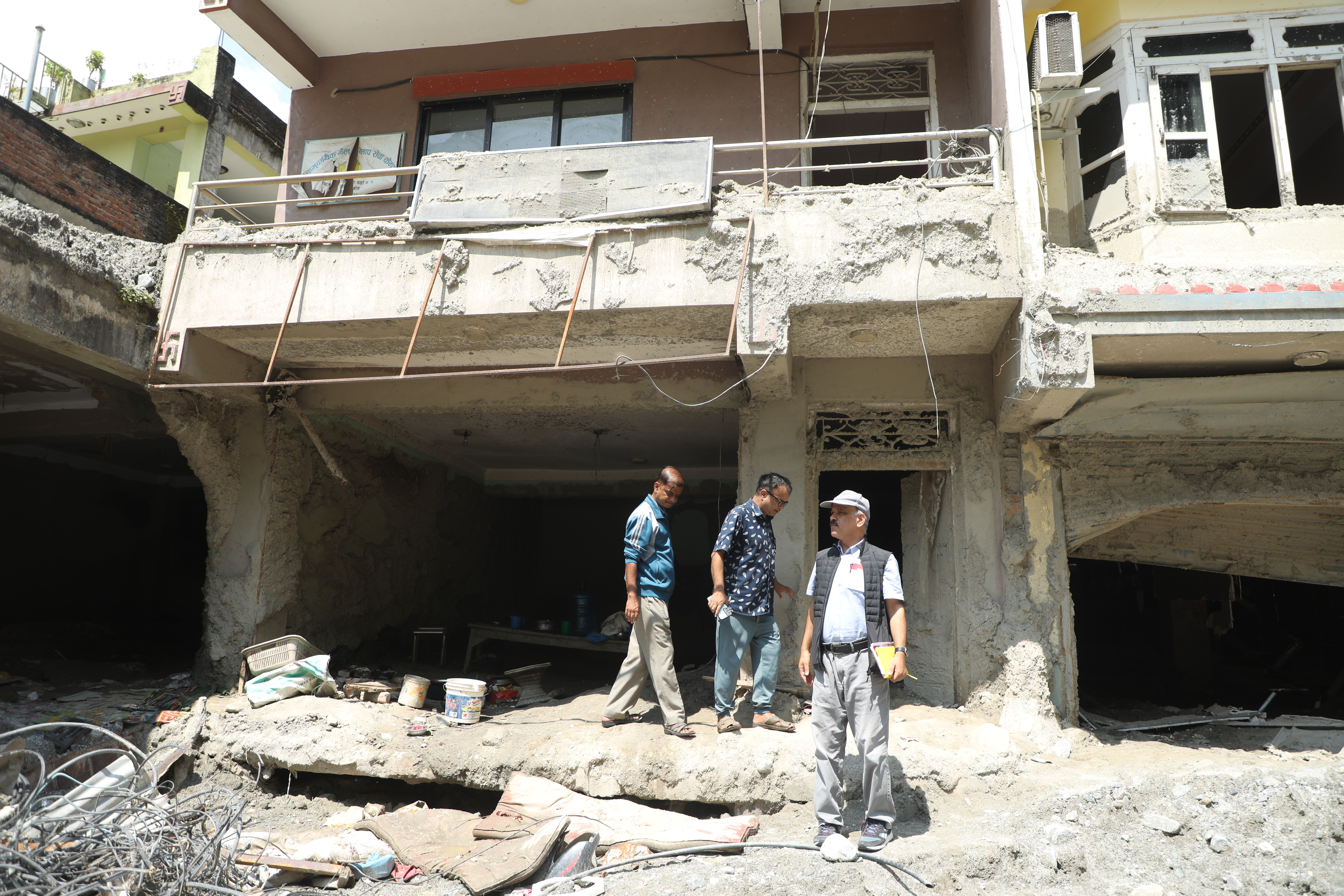
3. Journalists who lost residence and properties
a. Editor of Sundaradevi Sandesh weekly Kiran Adhikari's residence was flooded on August 26. He was living in a rented house in Dhungebazaar, Nuwakot. His media archives and laptop were also swept away from the office in Dhungebazaar.
b. Editor of Uttargaya daily from Nuwakot, Shiva Devkota lost his motorcycle in the flood from Devighat.
c. Lokpath online's reporter Sunny Shrestha's house and land was swept away in the flood. His house was located in Bhainse, Nuwakot.
d. Radio Rajmarga reporter Bipin Malla's residence in Dhading was also flood and filled with debris. Malla shared that eventhough the building looks fine, it is not residential. He also lost his vehicle in the flood.
e. Revoscience.com's editor Laxman Dangol lost his house and land in the flood in Betrawati, Nuwakot.
f. Kantipur daily's Rasuwa reproter Balaram Ghimire's land was swept away in the flood.
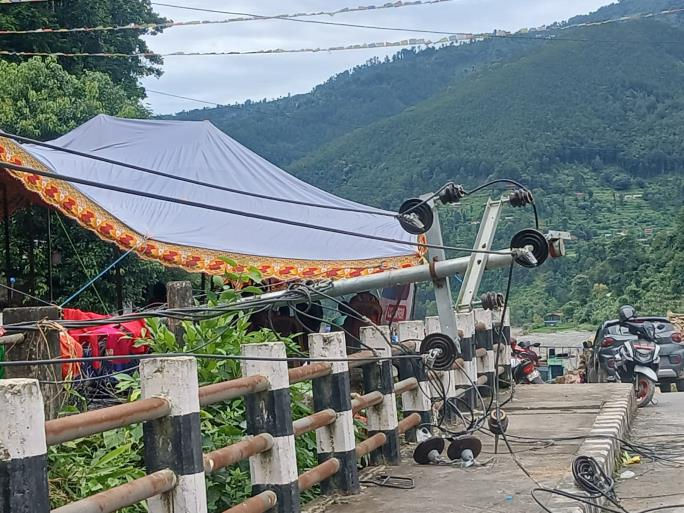
4. Media houses affected in the flood:
In Rasuwa and Nuwakot district, community radio stations have been reported the most affected due to electricity and internet disruptions. Most have started their operation normally. However, few are still operating partially due to irregular power supply and few lack internet support.
a. Nuwakot FM: Around 2.9 kms long optics fibre was been completely damaged. Station Manager Shri Ram Adhikari however, repared the wires and resumed operation after few days.
b. Radio Chimteshwor: Following the flood, radio operation was completely halted for three days. Thereafter, the radio service was resumed normally except for disrution during power outages.
c. Radio Rasuwa and Langtang FM also suffered problem in operation due to power and internet disruptions after the flood. Moreover, radio Jalapa and Trishuli also operated partially for few days due to irregular power supply.
Field visit to Nuwakot district post-flood
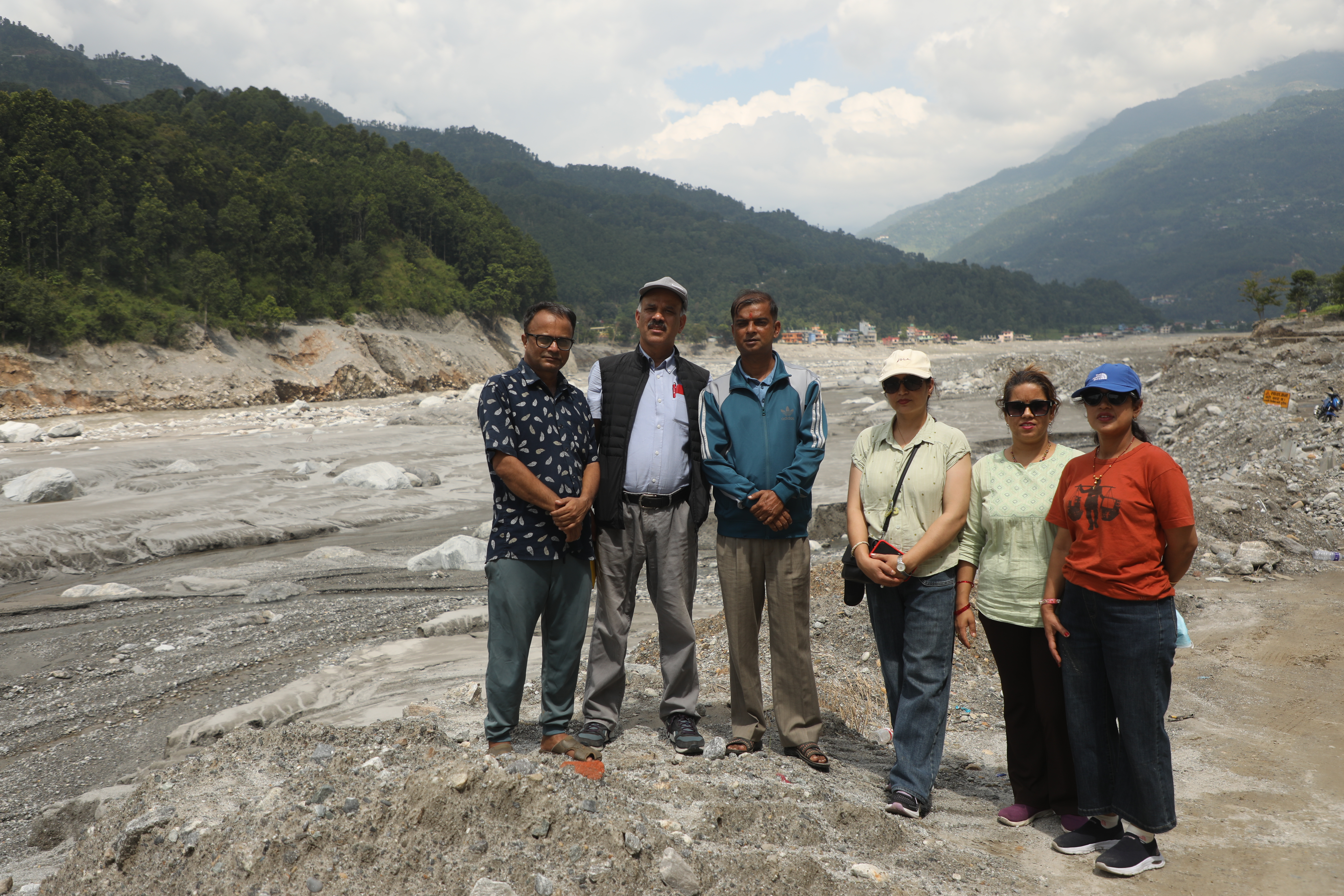
FF team also visited flood-affected areas of Nuwakot district on September 18, 2026. During the visit, we met with local journalists, visited local radio stations and observed properties and sites affected by the flood.
Station Manager at Radio Chimteshwor Ram Hari Neupane shared that they have not been provided with full access to information about the government's relief and rescue efforts. In addition to irregular electricity, local media are expected to face severe revenue challenges due to significant damage to major market areas.
Of the five newspapers registered in the district, only three are currently operating: Nuwakot Pukar, Trishuli Prabaha weekly and Image Weekly. Senior journalist Sharan Utshuk Sapkota, who also owns a stationery shop, shared that he previously sold at least 600–700 copies of various newspapers. Following the flood, however, sales have dropped to fewer than 100 copies. Print media were already facing financial difficulties due to readers' shifting interest and economic challenges. The flood is likely to deepen this crisis affecting media revenues and physical and psychological state of journalists.
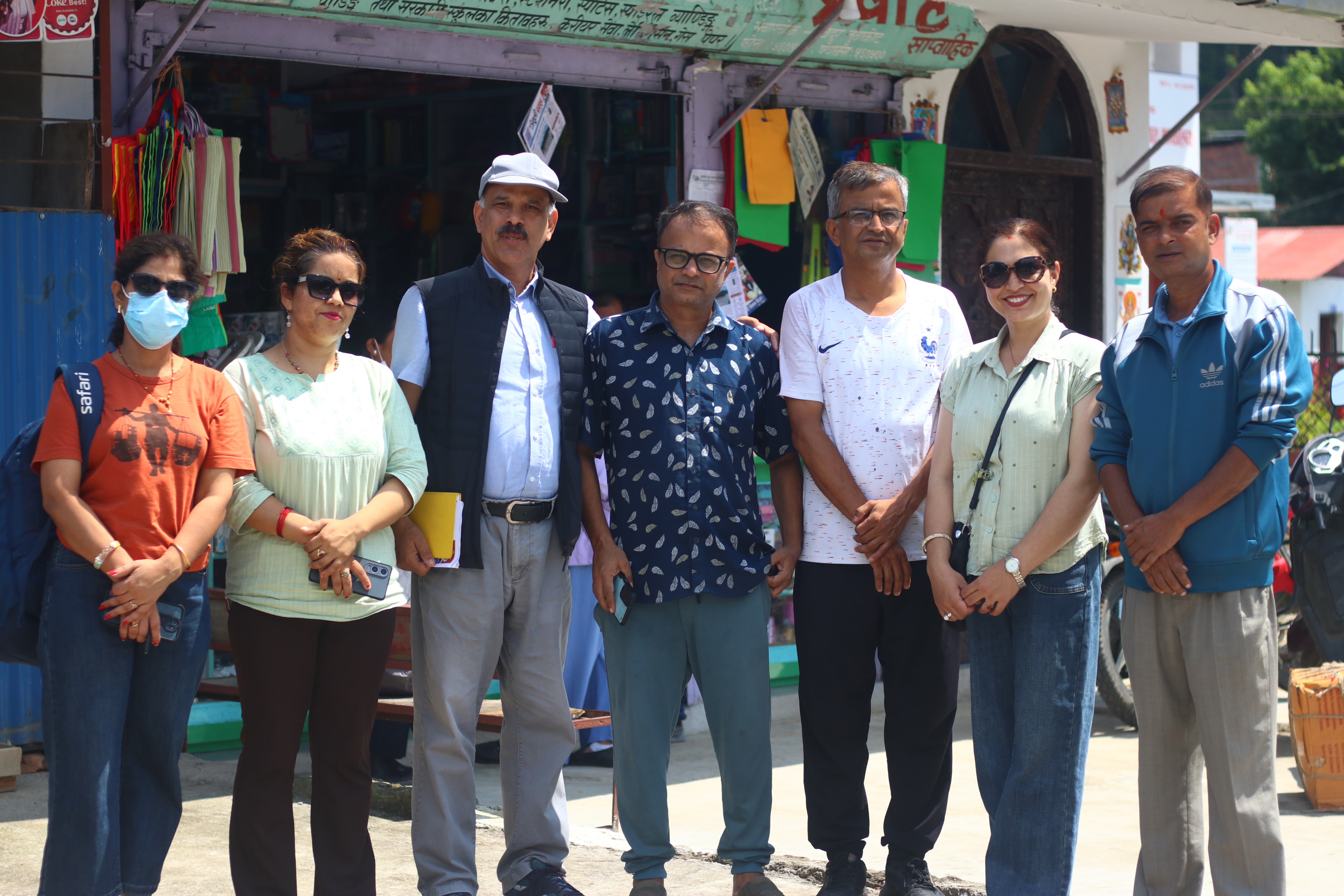
Local radio stations are also struggling to maintain regular local news coverage. Some stations are currently unable to produce local news bulletins and instead connect with national-level community radio networks for news content.
Local journalists stressed that at this critical time, it is particularly important for journalists to report on the government's management of the flood aftermath, missing persons, rescue efforts and receipt and distribution of relief materials. There is currently no comprehensive record of how much funding and relief has been received, how much has been distributed or whether the assistance has reached the people most affected by disaster.
Victim journalsts who lost their family members also identified the documentation of their missing members and management of their financial transactions as major concerns.
To support these journalists, psychosocial support is needed to rebuild their confidence and resilience. Journalists also need training on disaster safety and safe reporting, along with essential equipment to enable them to continue reporting safely and effectively from affected areas.
Beyond immediate relief, sustained support is essential to ensure that journalists can continue documenting the emergency response and long-term recovery. Journalists working in the affected districts contribute to a range of national and international media outlets, yet there remains a significant need for more sustained, critical and in-depth reporting.
It is important to continuously document emergency relief and rescue efforts, rehabilitation, resettlement and recovery of affected communities. Journalists also require support to examine the wider impacts of the climate crisis, particularly its consequences for communities already vulnerable. For this, long-term fellowship support could provide a meaningful mechanism for strengthening this work. Such support would enable journalists to pursue investigative and crisis reporting.
Currently, FF is providing required support to the victim journalsits and their families with support from Free Press Unlimited. This support is based on needs assessment and field observation done following the flood.