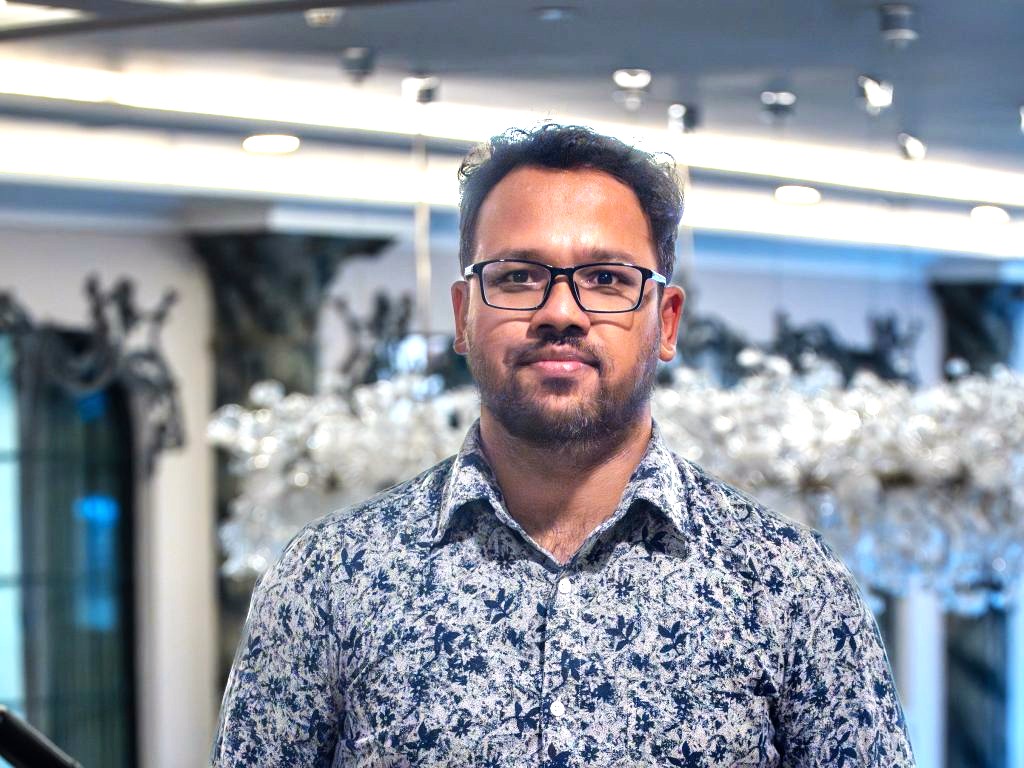
Each month, we shine a spotlight on partners who are using budget advocacy to bring transformational change to their communities. This month, we’re highlighting Subash Dahal, Public Finance Management Coordinator at Nepal’s Freedom Forum.
Freedom Forum is our longtime Open Budget Survey partner in Nepal and has a deep history of budget expertise, advocacy and comprehensive engagement, especially with the Office of the Auditor General, Ministry of Finance and Legislative Committees. Freedom Forum pioneered the development and implementation of the ongoing Citizen Participatory Audit in Nepal and are recognized for forging strong connections between civil society and both national and subnational governments. Since 2020, we’ve also partnered with Freedom Forum through our EU-supported work to provide budget training to a variety of civil society organizations to help them track budget allocations and monitor how public money is being spent.
Tell me about your work with Freedom Forum and how it changed once you started partnering with IBP.
When Nepal moved from a highly centralized state to federalism in 2015, it decentralized power into a three-tier structure of federal, provincial and local governments, which included provisions for marginalized communities to raise their voice. But there was no clarity around budget timelines and when budget discussions were held so community members were unable to meaningfully participate.
Before we started working with IBP, we were able to access and review a few government policies and documents, but there was a lack of unified voices and advocacy in the field of budgets, accountability and good governance. The fiscal aspect was missing.

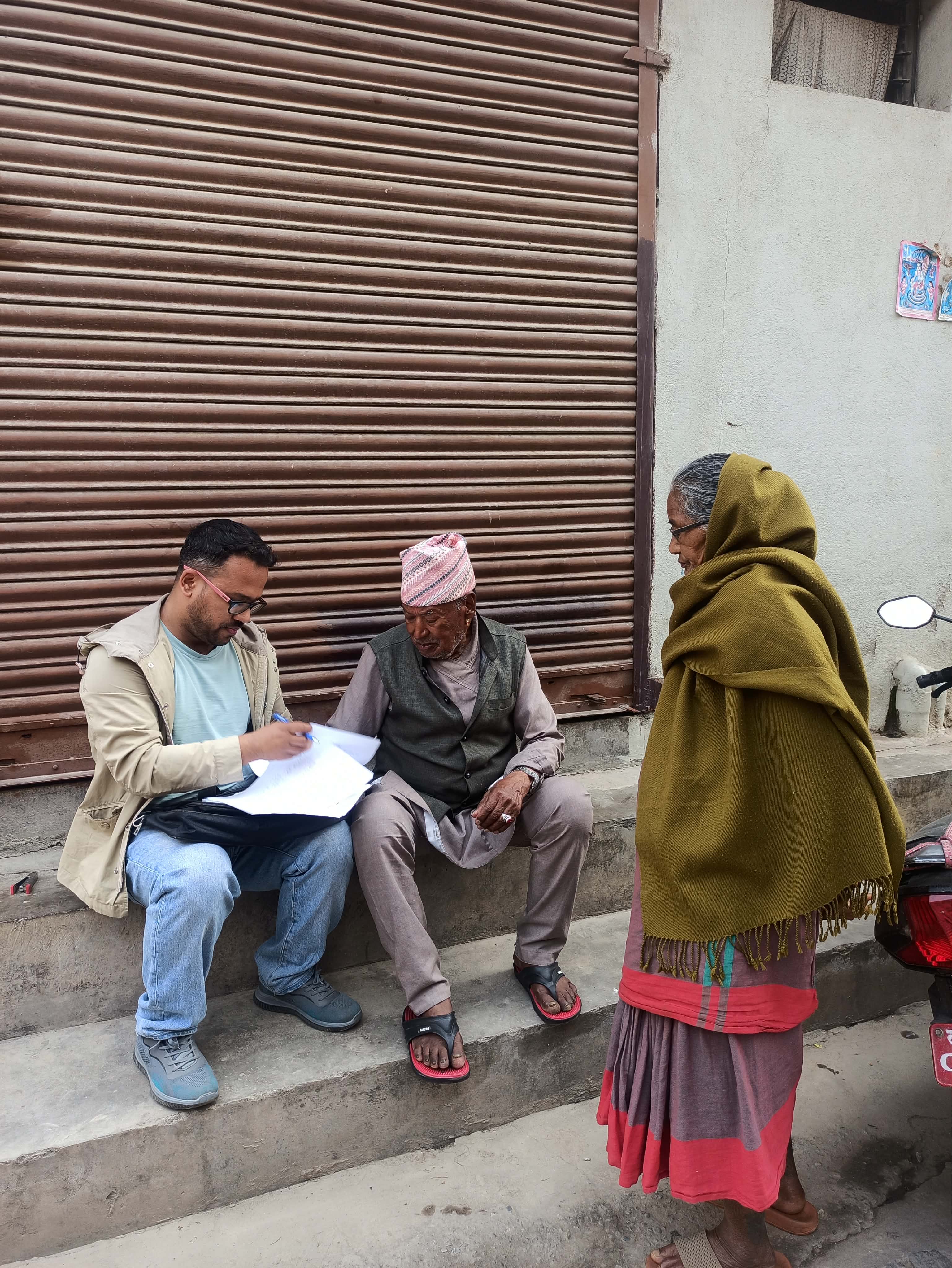
Over the years, with IBP’s help, we’ve been able to build a community that understands budget timelines, the duties of the local municipal government and how the community can advocate for better and fairer allocations for social services like health and education. We helped them understand that this money is not for the use of a political leader or mayor of the municipality – that it is their right to participate, to be heard and call for changes.
The motto that “money should be used for the people,” that’s the greater end goal that Freedom Forum took forward. We now have individual champions, legal experts and journalists as partners in this mission, taking our transparency, and citizen-focused budget advocacy to the next level.
Nepal recently experienced a large, youth-led protest that forced a change in government. A breakdown in public services and poor management of public funds helped sparked this change. An interim government has now been installed and new elections are planned in March 2026. What led to this and how did it change the people’s view of government?
When the government ruling system changed from a constitutional monarchy to a presidential system in 2009, the executive power went to the prime minister. OK, citizens said, now it is time for us to have power and a voice in the country. Let’s hope that they will address our concerns and ensure security and economic growth. Unfortunately, the government made big promises but didn’t fulfill them. The first breaking point was Covid. There were two years of shutdown. Peoples’ savings were depleted and they couldn’t work because of the lockdown. It forced many of our young people to go abroad for school or work. Our government has a limited private sector and limited government jobs, which eventually brought things to a boiling point.
The recognition that the government was not able to provide basic services for its people, combined with the Covid crisis, made people realize that the government was not a good steward of public money and it prompted them to speak up and start asking more questions about how their money was being spent. Their actions made it clear that if the government doesn’t make improvements in openness and engagement with citizens and respond to people’s demands, the government’s effectiveness and credibility will be tarnished.
Tell me about the Public Financial Management Working Group you helped form to share information across sectors and provide concrete opportunities to follow up with other civil society groups on key issues and how you are responding to the government upheaval.
When we first started working with IBP, we held a budget advocacy training to bring civic groups from different sectors together, such as gender equity, health and education, at both the regional and local level. The participants were so inspired by the training that nearly all of them returned for a second training. At the end of that training, their desire to continue their advocacy across sectors spurred the creation of a civil society Public Financial Management Working Group.
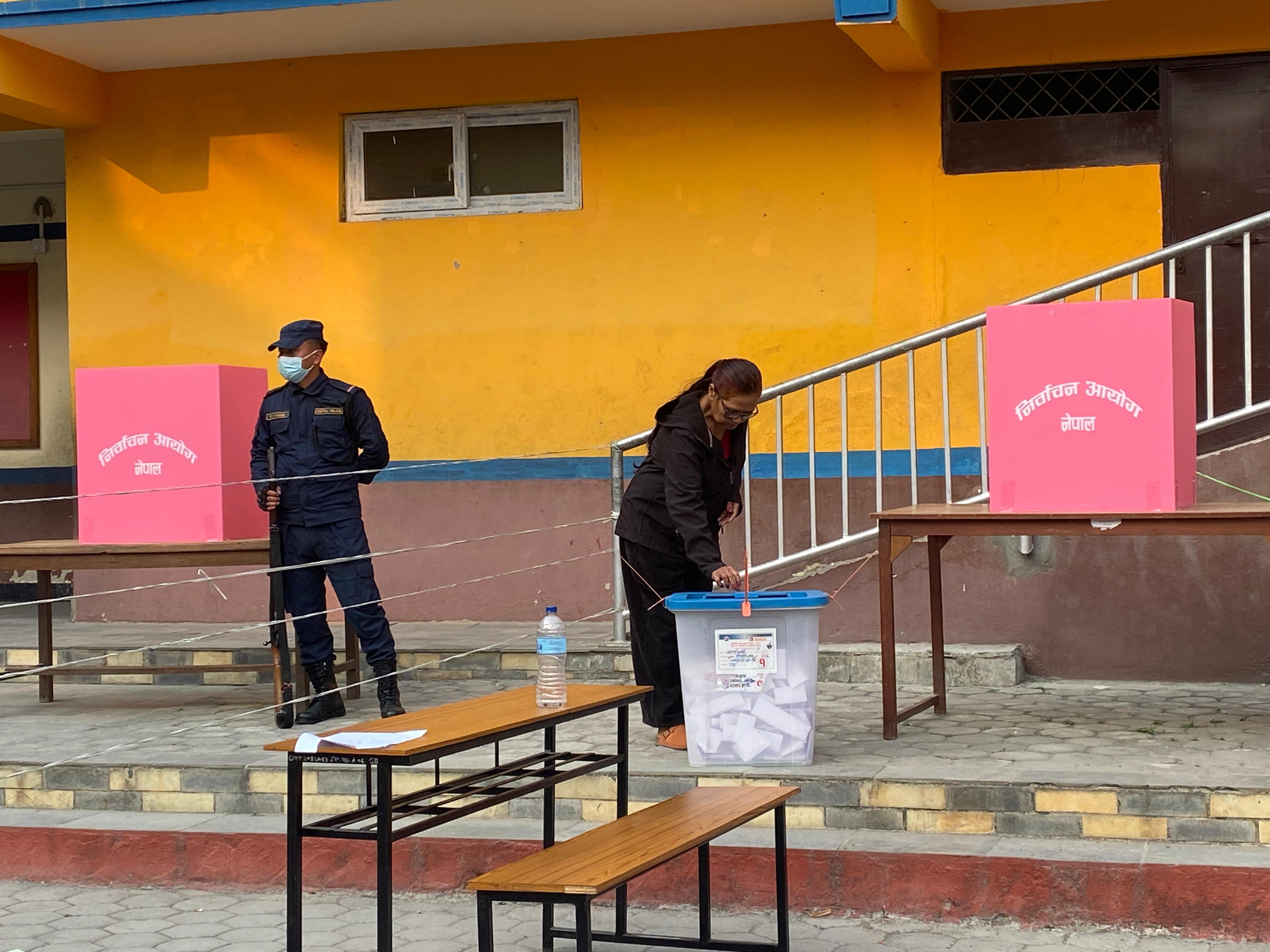
We were just starting to lay out our plans for the Working Group when the government collapsed. Determined to continue our advocacy work while we await the upcoming election, we decided we will try to monitor how much the interim government spends on the upcoming election. A key question will be how they pay for the election – will they accept foreign aid, or will it be paid for out of the pockets of the people by shifting money from basic services like health or education? In this way, we can continue our advocacy even before a new government is sworn in.
As part of reform efforts before the crisis, the previous government moved from a centralized system to a decentralized system where public money was sent to local governments for distribution. As part of the decentralization process, in 2022, the government rolled out a web-based public financial management tool for local governments called SuTRA, but only government officials were allowed to access the information. Tell me about that.
The Sub-National Treasury Regulatory Application (SuTRA) was created to strengthen planning, budgeting, and accounting at the provincial and local government levels and was launched to modernize public financial management, providing a standardized, efficient, and transparent platform for sub-national governments to handle their financial operations effectively.

Freedom Forum and IBP had been planning to make a joint submission to the government to make the SutTRA System public and available to civil society organizations before the crisis. Where are you in that process?
That is in our pipeline, but I’m not sure we will be able to do this in the interim government period. But we will have a good coalition of international support, and hopefully when the next elected government arrives, it will be a good moment to make that call to action.
Now that elections are on the horizon and some stability has returned, what are your hopes for Nepal’s future?
When the interim Prime Minister was appointed and sworn in she announced that new elections would be her first priority. Smoothly conducting the upcoming elections would be a success of this government. Right now, however, there is relative stability.
During the upcoming period when candidates are nominated to run for office, we will consider how we can engage with both the candidates and political parties. We hope that when a new elected government comes to power, then we will have a great opportunity because this will be the first election determined by the people’s majority and we are hoping that the new faces will be young leaders committed to good governance. The people-elected government will have a full mandate to work for the people and work for transparency and development.
This story was produced and published by International Budget Partnership with the financial support of the European Union.