3-Day Training Workshop Concludes

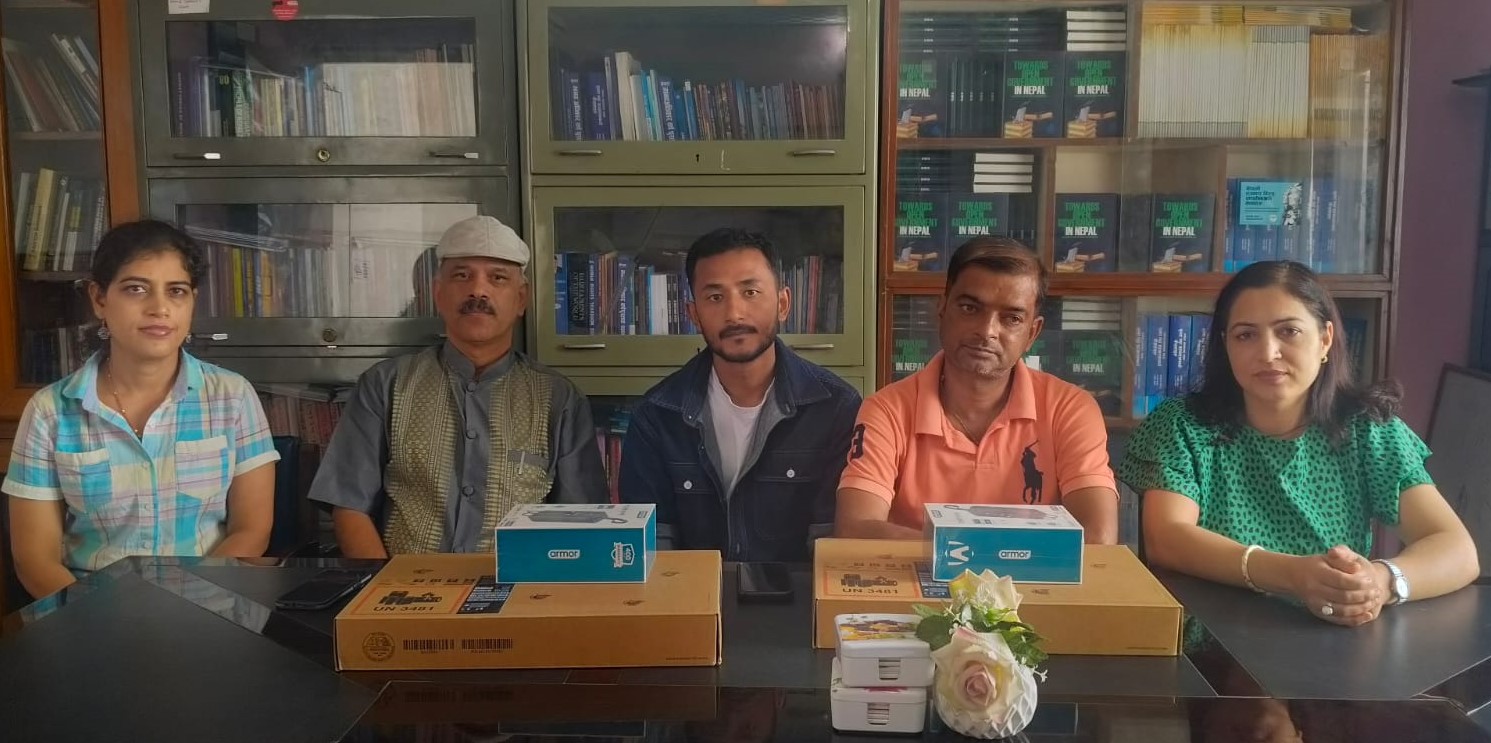
Participants and Resource Persons
Total 21 participants- 13 CSOs including 4 freelancers in PFM and Budget in Nepal from across the country were present in the training workshop. CSOs from the national level as well as from the local level were present in the second round of the training workshop that focused on budget implementation of the Budget cycle. The first lot of the training was held in 2022.

Alexandre Ciconello Gananca, Senior Program Coordinator; Suad Hasan, Program Officer from IBP, and Taranath Dahal, Executive Chief of Freedom Forum, were the resource persons for the training workshop.
Day 1: Understanding Budget Implementation Challenges
The first day of the training dwelt on the complexities of budget implementation in Nepal. Participants explored the reasons behind deviations in actual expenditure from the approved budgets, identification of systemic issues such as inefficiencies in planning, weak oversight mechanisms, and procedural bottlenecks. Key actors in the budget execution process, including government agencies, were identified to understand their roles and responsibilities. The session also emphasized the importance of government acts, rules, regulations, and procedural documents as essential tools for CSOs and media to monitor budget execution effectively. Participants were introduced to the legal and procedural frameworks that govern public finance, equipping them with the knowledge to hold authorities accountable.

Day 2: Enhancing Budget Credibility and Citizen Oversight
The second day zeroed in on the concept of budget credibility, which refers to the alignment of budgeted plans with actual expenditures and outcomes. Discussions highlighted the sources, availability, and accessibility of budget implementation data, which are often limited or difficult to access by the citizens and CSOs. Trainers introduced various approaches to analyzing budget data, including both budgetary and non-budgetary information found in public documents. Global success stories like that from Ghana, Nigeria and Argentina in budget oversight were shared to inspire participants, showcasing how CSOs worldwide have leveraged data to promote accountability.

A significant focus was placed on social accountability tools, such as citizen-generated data and performance audits, to strengthen oversight of public spending. The role of Access to Information (ATI) was highlighted as a cornerstone for promoting transparency, accountability and good governance.
Day 3: Collective Action for Improved Budget Governance
The final day underlined the urgency of collective initiatives to address challenges in budget implementation. Participants discussed strategies for engaging key stakeholders, including government agencies, parliamentary committees and local communities. The session emphasized identifying responsible actors and fostering effective collaboration to improve budget execution.
Former Deputy Auditor General Ramu Prasad Dotel emphasized the importance of performance audits in enabling citizen oversight, noting that these audits provide critical insights into the efficiency and effectiveness of public spending. He urged CSOs to collaborate with Supreme Audit Institutions (SAIs) like the Office of the Auditor General (OAG) Nepal to enhance accountability.

Highlighting with a presentation titled "Strengthening Civil Society Oversight in Budget Execution by Leveraging Work of SAI and Audit Findings”, Mr Dotel stressed that CSOs can play a pivotal role by directly engaging with SAIs or using their findings to ensure public spending aligns with citizens’ needs.
Mr. Dotel also pointed out a critical gap in Nepal’s budget oversight: the lack of procurement monitoring. He recommended that SAIs map CSOs, build their capacity, and engage them in auditing processes to strengthen oversight. The session underscored the importance of leveraging audit findings to hold public agencies accountable and ensure that public funds are used effectively.
Key Outcomes and Commitments
The training secured a series of commitments from participants to promote transparent and accountable budgeting in Nepal. A significant outcome was the formation of a ‘CSO Working Group for Public Finance Management,’ aimed at fostering sustained collaboration among CSOs post-workshop. The group will focus on advocating for open access to budget data and engaging with key institutions to strengthen oversight.

Participants committed to collaborating with the Office of the Auditor General (OAG) Nepal to enhance citizen participation in performance audits and audit accountability. They also agreed to advocate with the Financial Comptroller General Office (FCGO) for improved access to budget data through platforms like SUTRA, which provides financial management information. Additionally, CSOs pledged to lobby for greater access to Public Accounts Committee (PAC) meetings and to monitor the implementation of OAG audit recommendations.
Another key commitment was to advocate for the establishment of a Parliamentary Budget Office to enhance lawmakers’ capacity to oversee budgetary processes effectively. Participants recognized that such an office would empower parliamentarians to make informed decisions on public finance, ultimately strengthening democratic governance. At the subnational level, CSOs vowed to remain vigilant in monitoring public service delivery and budget implementation to ensure accountability at provincial and local levels.
Role of CSOs and Media in Budget Oversight and Fiscal Transparency
CSOs representatives emphasized that budgets are not merely government documents but have a direct impact on citizens’ lives. They argued that effective budget execution requires informed analysis and oversight by civil society and media to ensure transparency and accountability. Collaboration among CSOs, media, and oversight institutions was seen as critical to fostering better governance of public funds.

Alexandre Ciconello, a senior program officer at IBP, one of the trainer for program, praised the strength of Nepal’s CSOs in budget monitoring at federal, provincial and local levels. However, he noted persistent gaps in citizens’ access to information on budget implementation and policy performance. He highlighted Nepal’s fiscal decentralization as a significant opportunity for enhancing citizen participation in budgeting at the local level. Ciconello also commended innovative approaches by institutions like the OAG, particularly in promoting social accountability through citizen participation in audits.
Taranath Dahal, Chief Executive of Freedom Forum and a good governance expert, shared a success story of how the Right to Information (RTI) was used to expose VAT evasion, leading to substantial revenue collection for the state. He stressed the importance of CSOs working collectively to ensure the wise use of public funds. Dahal also advocated for the establishment of a Parliamentary Budget Office to build lawmakers’ capacity on budgetary issues, suggesting that CSOs could play a pivotal role in lobbying for this initiative.
Broader Implications for Nepal’s Public Finance
The training highlighted the urgency of raising awareness among Nepali citizens about public budgets at all tiers of government. Informed advocacy supported by access to reliable budget data was seen as essential for ensuring the right use of public spending. Participants reviewed international best practices in budget oversight, drawing inspiration from countries where CSOs have successfully collaborated with governments to improve transparency and accountability.

The event also underscored the role of fiscal decentralization in Nepal, which has devolved significant budgetary powers to provincial and local governments. This shift presents both opportunities and challenges for CSOs, as they must now monitor budget implementation across multiple tiers of government. The training equipped participants with the tools and knowledge to navigate these complexities, including how to use social accountability mechanisms and citizen-generated data to strengthen budget credibility.
Support from the European Commission

Looking Ahead
The formation of the CSO Working Group for Public Finance Management marks a significant step toward sustained collaboration in Nepal’s budget oversight landscape. By advocating for open access to budget data, engaging with oversight institutions, and monitoring public service delivery, CSOs aim to bridge gaps in citizen engagement and ensure that public finance supports result-oriented, accountable, and transparent governance.
The training concluded with a renewed sense of purpose among participants, who left equipped with practical tools, strategies, and a collective commitment to improving Nepal’s public finance system. As CSOs and media continue to collaborate with institutions like the OAG and FCGO, their efforts are expected to contribute to a more transparent and accountable budgeting process, ultimately benefiting Nepali citizens and strengthening the country’s democratic framework.