Gen Z movement and journalists' rights: Victim journalists share plight before NHRC officials
"Few politicians have set such a precedent against media that we have to hide our identity while reporting in field", said a journalist at a program held in Kathmandu on December 11, 2025.
To mark this year's Human Rights Day, Freedom Forum organized an interaction program, bringing to light the threats and attacks journalists faced, especially during the recent Gen Z protests in Kathmandu valley.
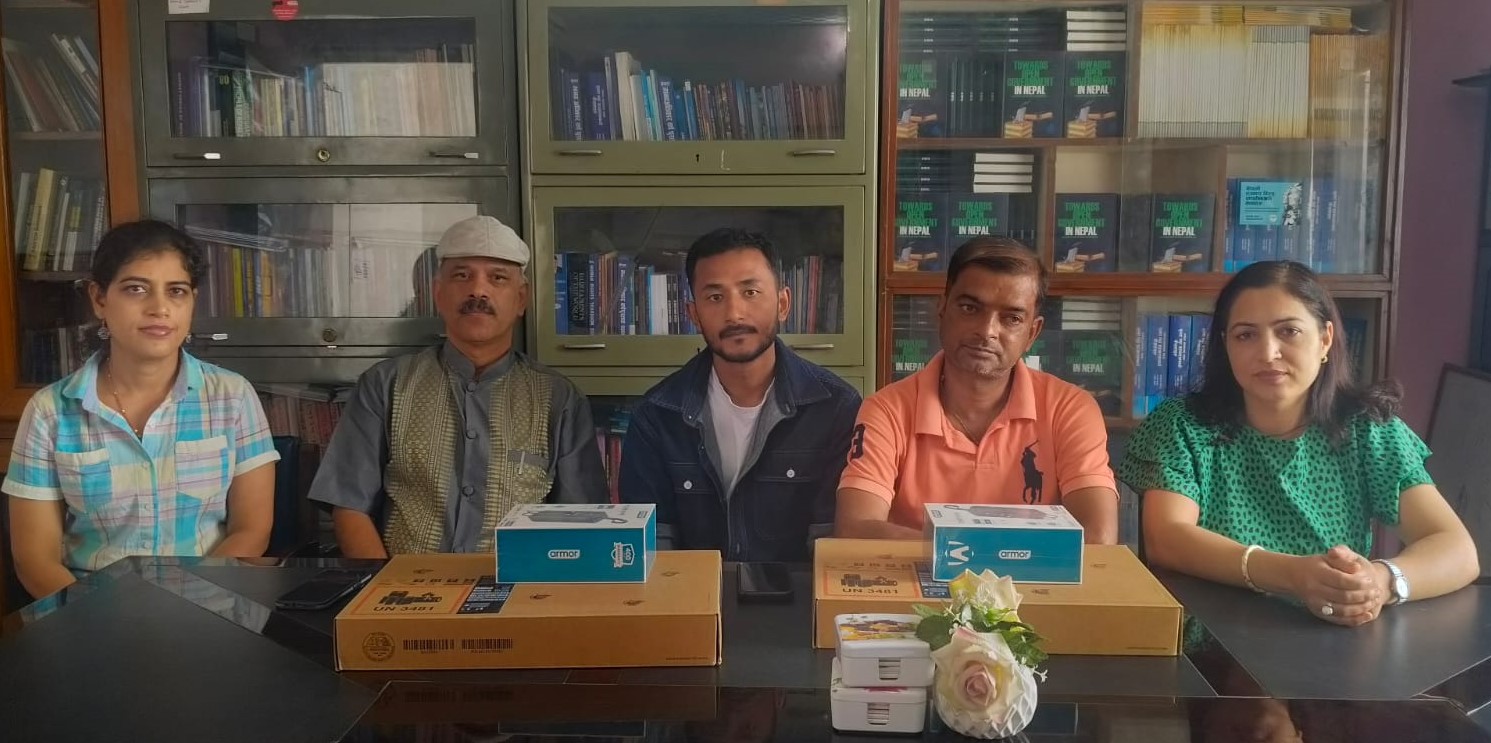
Representatives from the National Human Rights Commission (NHRC), victim journalists and media representatives participated in the program held to voice the journalists' concerns, expressed solidarity to their rights and engage with the rights watchdog.
Executive Chief at Freedom Forum, Taranath Dahal, mentioned increasing risks faced by frontline journalists and emphasized the need for practical discussions to advance justice to the journalists so that impunity for crimes against journalists could be reduced.
Media attacks are more direct and violent in recent days. Multimedia journalists working on frontline are particularly vulnerable, stressed Dahal. Attack upon journalists, damage to their equipment, lack of insurance and lack of institutional support are some of pressing issues these journalists have been facing while carrying out their professions, according to him.
He also reminded FF's facilitation to seek medical and emergency support for the victim journalists.
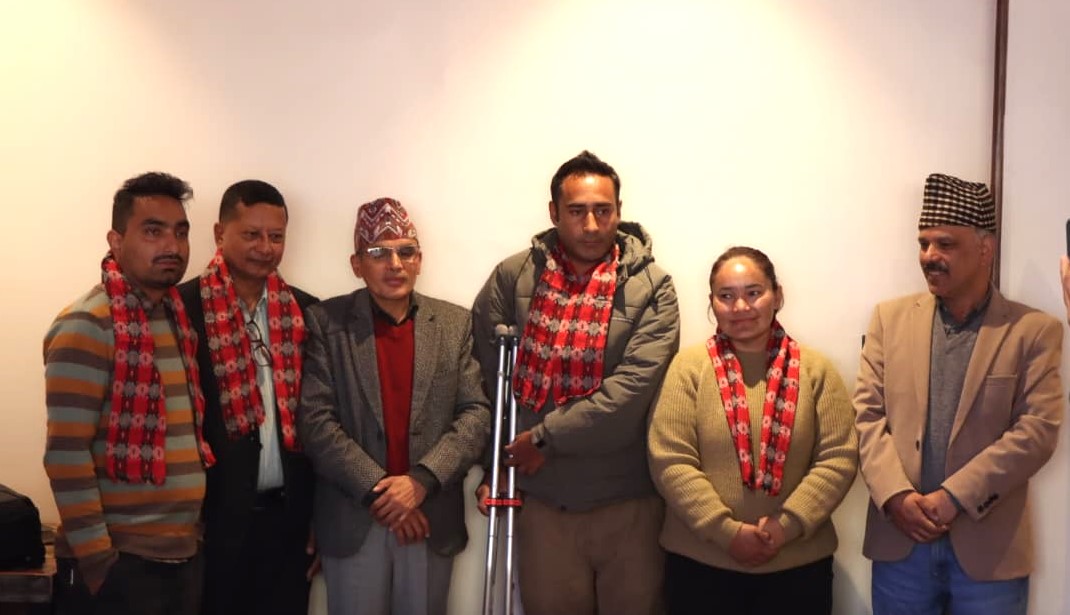
On the occasion, five journalists were honored by NHRC Joint Secretary Yagya Prasad Adhikari, offering them shawls.
One of the victim journalists, Shambhu Dangal from Nayapost.com shared his difficulty in seeking justice despite repeated attempts to reach the authorities. He was shot with metal bullets in leg while covering Gen Z protest on September 8. "It has been 75 days and I am still unable to continue my work as that of normal time. I have to walk with the help of crutches. To sheer disregard to us, the state felt no urgency at all to support us or ensure justice to us", Dangal shared the plight, adding, "I do not trust the police, nor the enquiry commission and the government that they address our issue."
He rather underscored the need for strong leadership from FNJ and better protection mechanisms for frontline reporters.
Another photojournalist from Deshsanchar.com, Barsha Shah, recalled the moment she faced harassment at the Parliament while trying to enter the women’s restroom. She shared the incident of being hit by stones while covering the protests and expressed frustration over lack of action even after informing NHRC. She also pointed out the lack of protective equipment in Nepali media houses.
Dipendra Dhungana, photojournalist at Nayapatrika daily questioned why NHRC was not present during violent protests. He shared few incidents that depict increasing hostility from both security forces and political groups towards media. The severe incidents should be taken to the court to reduce the entrenched impunity for crimes against journalists.
Dhungana wondered whether they will be safe when police themselves investigate the cases involving police violence. "I am seriously concerned whether the police would support us and conduct the investigation fairly", he said.
On this, Dahal informed the journalist about NHRC's mechanism for protection of FoE and Journalists' Safety which have Nepal Police representatives' as member. Thus, once the mechanism directs the investigation, the concerned authorities are obliged to follow and carry the investigation ahead.
Adding to the journalists' statement, senior photojournalist at Kantipur Television, Shyam Shrestha, shared his experiences from the conflict reporting and recent incidents where he was beaten despite clearly identifying himself as a journalist. He also shared the whole incident how he was shot while covering Gen Z protest in front of the parliament and then watching the television building and his own vehicle burning.
He expressed concerns that Nepali journalists lack the basic protective measures available in international conflict reporting contexts. He urged government and media houses to ensure safe gear such as bulletproof vests and helmets for frontline reporters
On September 9, office of an online news portal Thahakhabar.com was also vandalized. Sharing about the incident, Editor at Thahakhabar.com Narendra Sapkota stated that journalists are being targeted both by protestors and by authorities. He also highlighted the impact of incendiary political speeches that further endanger journalists. He expressed concerns over self-censorship and the lack of accountability from both the state and media organizations.
"As like in the case of journalists, we were also asked to submit details of loss in the media house due to attack but no action has been taken yet. I think even operators of media houses should be given orientation to prioritize journalists' safety. With approaching election, the situation is unpredictable, hence the commission should take a concrete step towards ensuring safety of journalists", Sapkota marked.
Another journalist who witnessed attack upon Annapurna Post national daily's office on the same day, Ramkala Khadka thanked Freedom Forum for phychological support and emphasized the need for media houses to responsibly support injured journalists. She also shared cases where equipment was destroyed and no compensation was provided.
NHRC's representatives acknowledged the concerns raised by the journalists.
Under-Secretary at the commission Maya Sharma committed to revise the commission's monitoring methodology, prioritize journalists' safety in their human rights agenda through the established nationwide safety mechanisms.
Adding to Sharma's commitment, Joint Secretary at the commisison Yagya Prasad Sharma stated that journalists are frontline human rights defenders even before the commission. Hence, their contribution should be respected as freedom fighters and witness of this historical movement. He assured of investigating the cases, though they noted possible delays. Reminding the role of NHRC's mechanisms for journalists' safety, Adhikari called upon the journalists to use the existing mechanisms for justice in this regard. He stressed upon strengthening coordination with the police and relevant authorities and building trust upon the commissions and judicial process.
In the concluding observation, Executive Chief Dahal stressed the importance of sustained advocacy and collective action. He suggested raising the issue collectively with Nepal Police, NHRC, and the Gauri Bahadur Karki-led enquiry and investigation commission over the Gen Z movement.
He further recommended:
- Mobilizing Freedom Forum’s legal team to support affected journalists.
- Coordinated dialogue with state bodies to ensure accountability.
- Continued follow-ups on individual cases to reduce impunity.
- Building trust in justice mechanisms by reminding their roles and mandates.
The program concluded with a shared commitment to continue advocacy for journalists’ safety, justice and accountability.