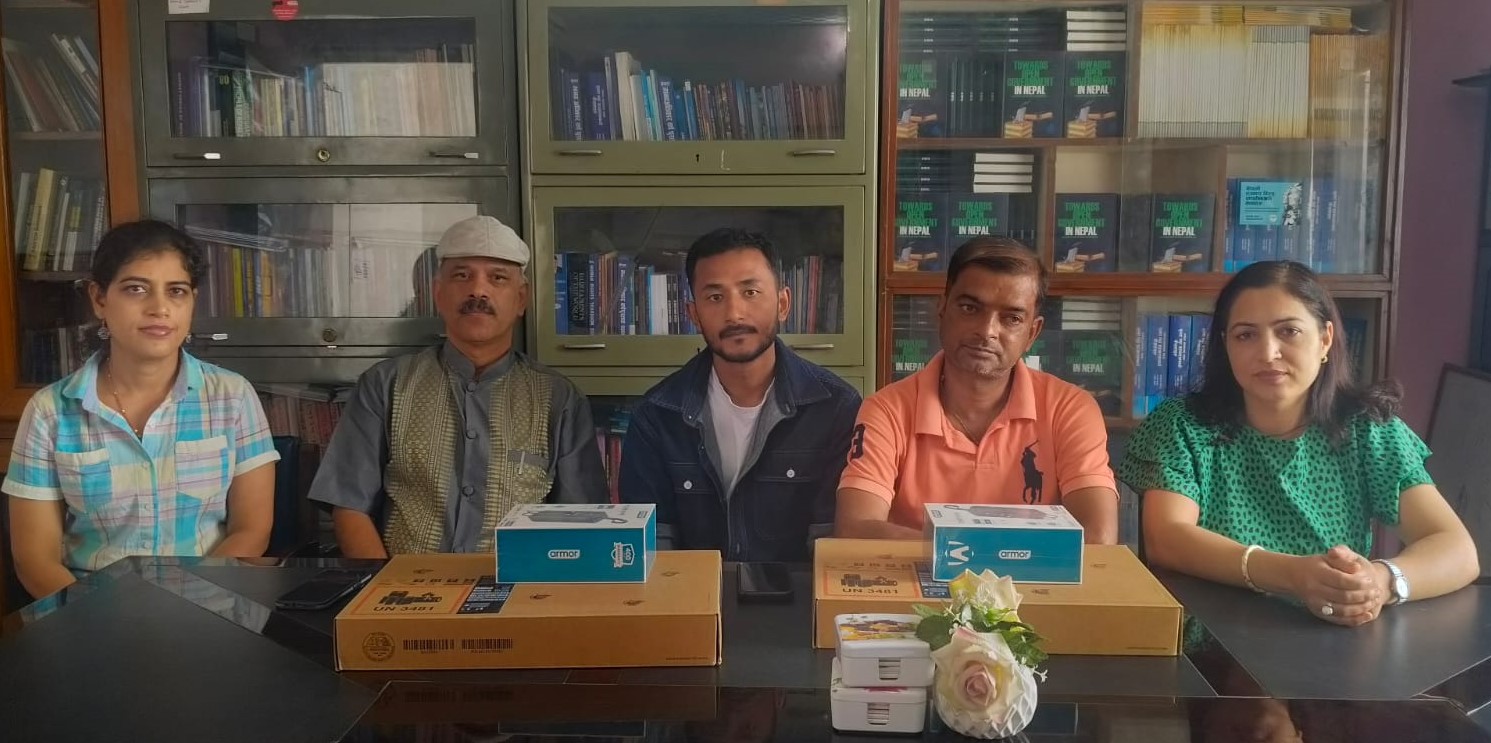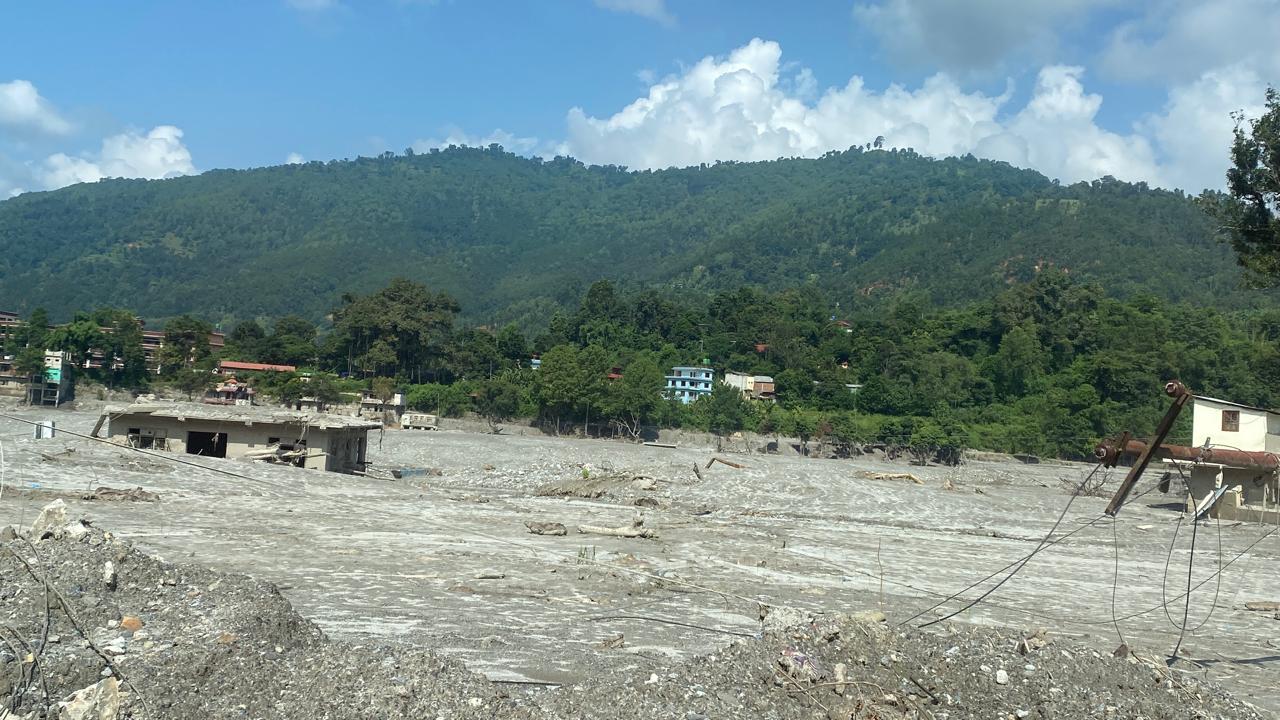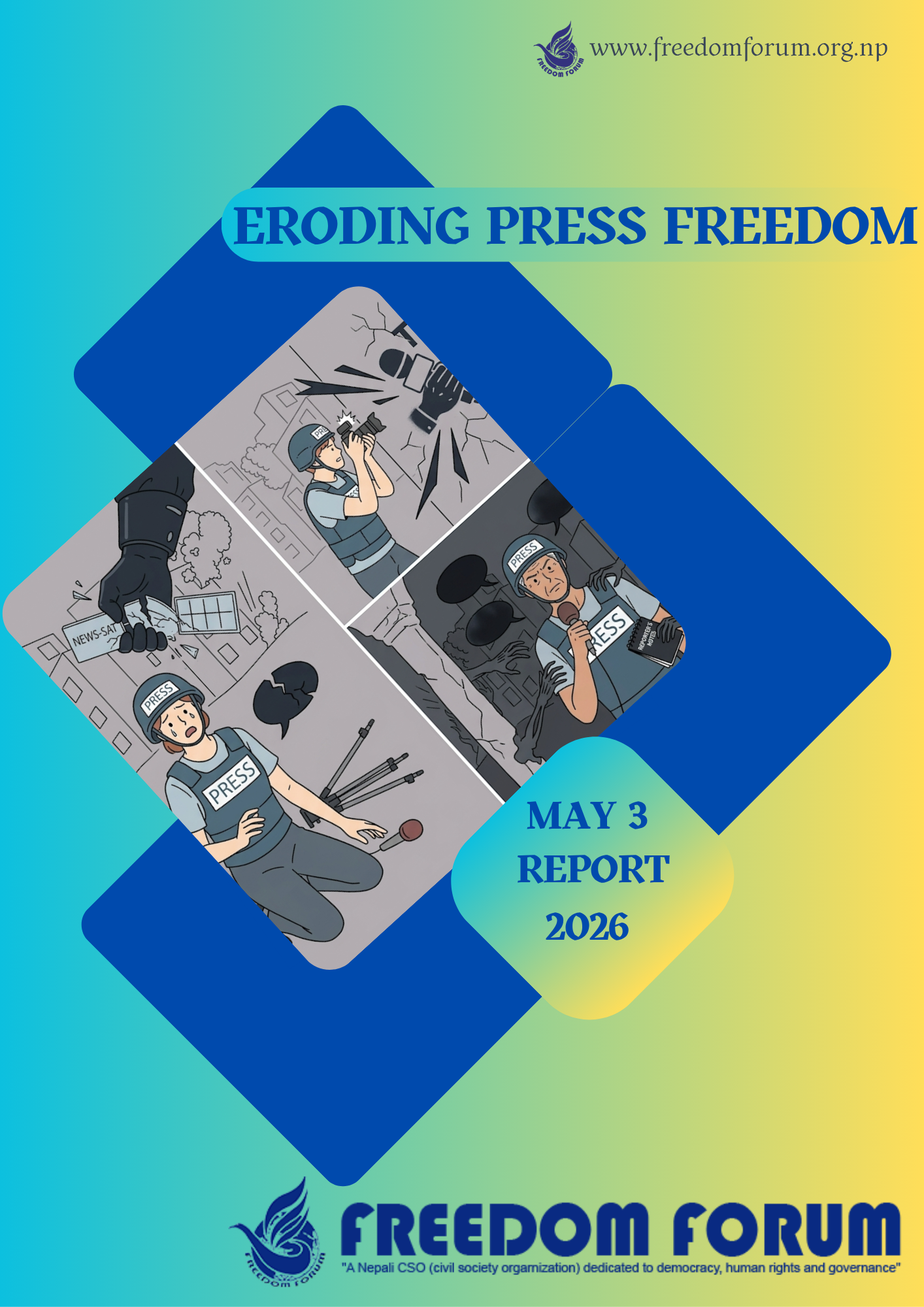
Freedom Forum has released its Annual Press Freedom Report 2026 titled “Eroding Press Freedom”, presenting a comprehensive overview of the state of press freedom in Nepal between May 1, 2025, and April 30, 2026.
The report documents a total of 97 incidents of press freedom violations, affecting 145 media persons and 20 media houses. Among those affected, 15 percent are female journalists. This marks a significant increase compared to 68 incidents recorded in the previous year (2024/25).
According to the report, threats and attacks against journalists have risen notably. FF recorded 28 cases of threats, including death threats, targeting 37 media persons and 21 attacks affecting 30 journalists. In addition, eight journalists and four media houses faced lawsuits under various charges.
Bagmati Province reported the highest number of violations, with 40 incidents affecting 61 media persons and 14 media houses followed by Madhesh Province with 21 incidents affecting 31 journalists. Political leaders, their cadres and public officials were identified as the primary hostile elements.
Online journalists appear particularly vulnerable with more than half of affected journalists working for different online news portals. Those covering government activities were primarily targeted for intimidation, with 35 cases reported followed by those reporting on corruption in public offices that led to threats and death threats in 31 cases.
The report also highlights continued legal threats on journalists including cases filed under outdated laws such as the Electronic Transaction Act's Section 47. The report further notes that media faced increased risks during political protests including the recent Gen Z-led movements. Worryingly, stalled law and policy reforms following the dissolution of Parliament have further weakened protections.
FF underscores the persistence of impunity with victim journalists and slain journalists' families still awaiting justice.
The report further points to growing regulatory pressure, particularly during and after elections with authorities monitoring media and threatening legal action. It also raises concern over the government’s tendency to treat mass media and social media similarly in the name of content regulation, accompanied by warnings of legal consequences for publishing fake or misleading information.
In addition, the report identifies a deepening economic crisis in the media sector, exacerbated by post-COVID-19 challenges and new government advertisement regulations. It also calls for more proactive engagement from the National Human Rights Commission (NHRC) in strengthening journalist safety mechanisms.
Call to Action
FF has urged the government, media stakeholders and civil society to take immediate measures including upholding constitutional guarantees of full press freedom, reforming restrictive laws and ensuring fair and proportional advertisement policies to sustain private media.
The organization also calls for strengthened safety measures and legal protections for journalists, an end to impunity, greater collaboration among stakeholders and increased investment in training, capacity building, and digital and psychosocial resilience. It further emphasizes adherence to ethical standards to enhance credibility and reduce risks in journalism.
Full report is available here: https://freedomforum.org.np/download/annual-press-freedom-report-2026/file